New Delhi: The growing visibility of India, Russia and China on the BRICS platform is drawing renewed attention to the changing balance of global power, with the grouping increasingly being viewed as an important forum for the Global South.
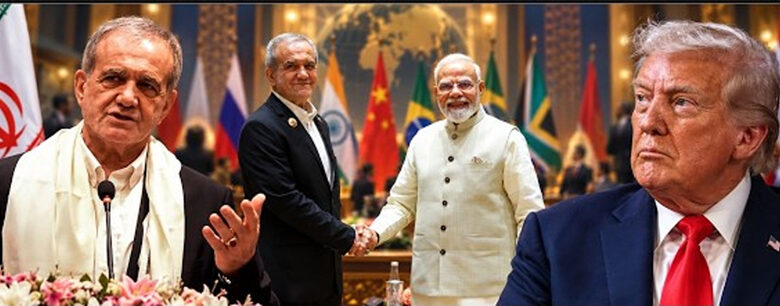
The appearance of Prime Minister Narendra Modi alongside Russian President Vladimir Putin and Chinese President Xi Jinping at the BRICS summit in New Delhi has carried significance well beyond the optics of a diplomatic gathering. It highlights the continuing importance of BRICS at a time when international politics is witnessing a gradual movement away from a predominantly Western-led order towards a more diversified and multipolar system.

For Washington, the strengthening of BRICS presents a strategic challenge, particularly as member countries discuss greater economic cooperation, expanded use of local currencies and mechanisms that could reduce excessive dependence on the US dollar. However, the growing influence of BRICS does not immediately translate into a replacement for the existing global financial architecture. The United States continues to possess considerable economic, technological and military influence, while BRICS itself remains a diverse grouping with differing national priorities.
For India, the BRICS platform is an important instrument of strategic autonomy. New Delhi simultaneously maintains strong relationships with the United States and other Western partners through platforms such as the Quad while retaining close engagement with Russia and maintaining dialogue with China through BRICS and other multilateral forums.
This approach allows India to pursue its economic and security interests without becoming exclusively aligned with any single power bloc. Energy security, resilient supply chains, technology cooperation, counter-terrorism and digital economic development remain areas where deeper cooperation among BRICS countries could potentially benefit India.
The India-China relationship, however, remains one of the most complicated dimensions of the evolving BRICS equation. Border tensions and strategic mistrust continue to influence bilateral ties, even as both countries recognise the importance of maintaining diplomatic and economic engagement.
Recent efforts to sustain dialogue indicate that New Delhi and Beijing are seeking to manage differences while keeping broader economic and multilateral cooperation open. Yet any substantial improvement in relations will depend heavily on progress on border-related concerns and China’s sensitivity towards India’s sovereignty and security interests.
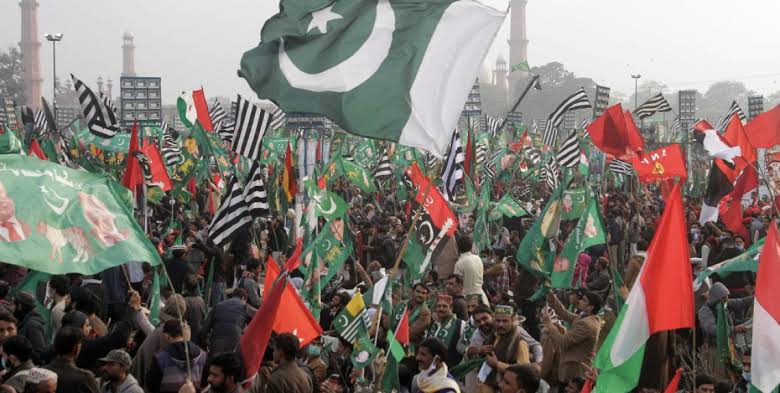
The changing BRICS dynamics are also being closely watched in Islamabad. Pakistan has traditionally relied heavily on its close relationship with China, describing the partnership as an “all-weather” friendship. However, China’s expanding engagement with India through multilateral institutions demonstrates that Beijing’s relationship with New Delhi is governed by a much wider set of economic, strategic and global interests.

Russia’s expanding engagement with India and China’s continued participation in multilateral platforms alongside New Delhi further underline the complexity of Pakistan’s geopolitical environment.
Pakistan is simultaneously dealing with economic pressures and dependence on international financial assistance, including support from the International Monetary Fund. Against this backdrop, the emergence of alternative economic and financial cooperation mechanisms within BRICS is being watched closely by Islamabad.
India’s growing engagement with Iran, Central Asia and other parts of the Global South adds another dimension to the regional competition. New Delhi’s efforts to expand connectivity, trade and diplomatic partnerships beyond traditional alliances could further alter South Asian geopolitical calculations.
For BRICS, the larger question is whether its growing political visibility can be translated into concrete economic and institutional outcomes. Discussions on local-currency trade, financial cooperation and greater representation for developing countries in global institutions are likely to remain central to the group’s agenda.
The New Delhi summit therefore carries significance not merely because of the presence of major leaders, but because it reflects a broader transition underway in international affairs. The United States remains a dominant global power, but countries across Asia, Africa, Latin America and the Middle East are increasingly seeking greater strategic flexibility.
BRICS may not represent a unified alternative to the Western-led order, but its growing role demonstrates that the global system is becoming more competitive, diverse and multipolar. For India, this evolving landscape offers both opportunities and challenges—and reinforces the importance of maintaining strategic autonomy while advancing national interests across multiple global partnerships.